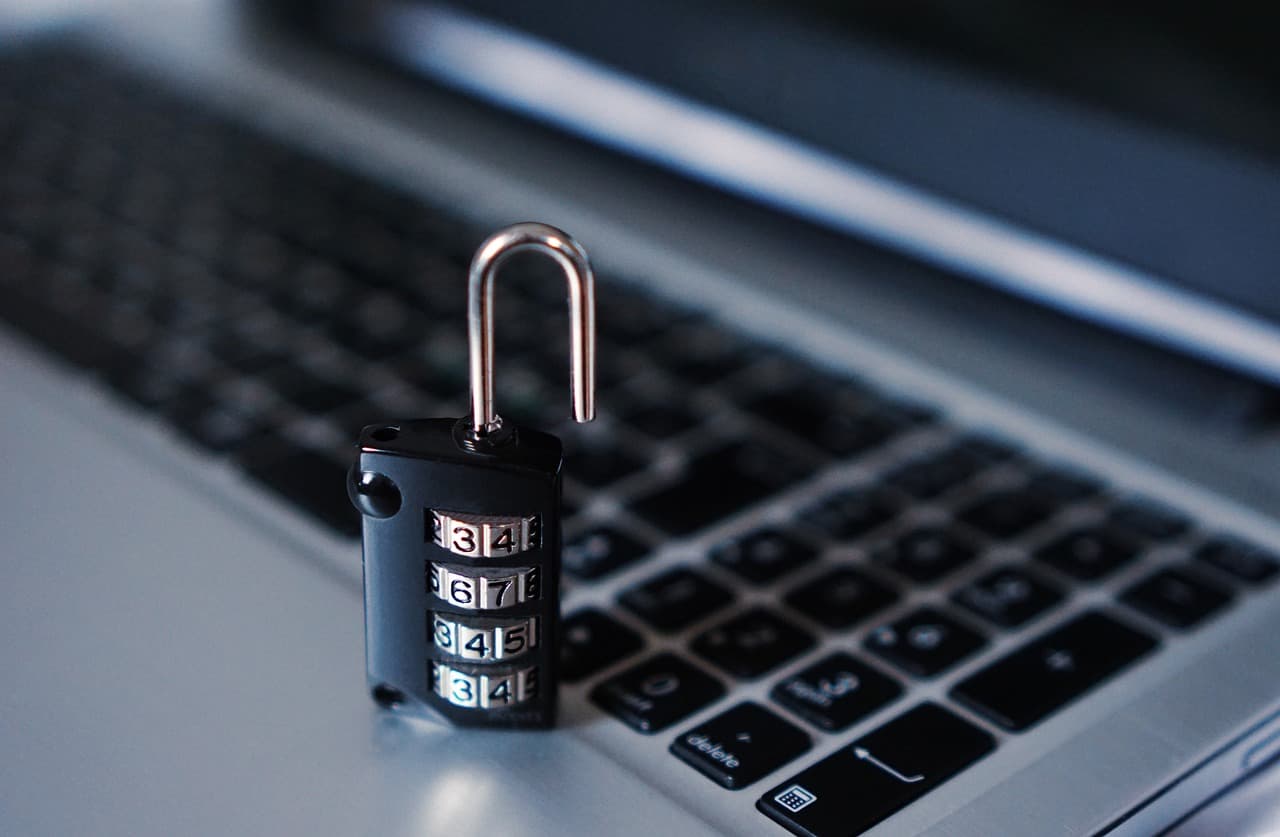
"Is ChatGPT safe?" is one of the most-searched questions about AI - and the honest answer is: it depends entirely on what you mean by safe. ChatGPT isn't malware, and for everyday use it's a mainstream, well-resourced product. But "safe" bundles together several very different questions - privacy, security, accuracy and scams - and they have different answers. Here's the clear, honest breakdown.
"Safe" means four different things
When people ask if ChatGPT is safe, they're usually mixing up four separate concerns: data privacy (what happens to what you type), account and device security, accuracy (can you trust the answers), and scams (fake apps pretending to be ChatGPT). The tool scores very differently on each, so it's worth taking them one at a time.
Data privacy: the real question
This is where most of the legitimate concern lives. Anything you type into ChatGPT is sent to and processed on the provider's servers - it leaves your device. On consumer plans, your conversations may be used to help improve the models unless you turn that off in the data settings. That's not unique to ChatGPT; it's how most cloud AI works. The practical risk is simply what you paste: people drop in contracts, code, medical questions and personal details that then live as text on a company's servers. For a deeper look, see our guides on whether ChatGPT stores your data and AI and data privacy.

Accuracy: confidently wrong
A different kind of safety problem is that ChatGPT can be confidently wrong. Language models predict plausible text rather than retrieve verified facts, so they sometimes invent details - names, citations, numbers - that look right but aren't. This matters most for medical, legal, financial or factual questions. The safe habit is to treat ChatGPT's output as a first draft to check against a reliable source, not as an authority.
Security and scams: the practical risks
On the security side, the tool itself is reasonably safe, but your account and the apps you install are the weak points. Enable two-factor authentication so a phished password can't open your account: an authenticator app follows the TOTP standard (RFC 6238), which recommends a 30-second time step, so the 6-digit code is one of 1,000,000 possibilities and is replaced 2,880 times a day. Be alert too to fake "ChatGPT" apps, extensions and websites - a genuine scam vector that harvests data, pushes malware, or charges for the free tool. Stick to the official app and website, and check the developer name before installing anything.
How to use ChatGPT safely
The good news is that a handful of habits cover most of the risk:
- Don't paste secrets - passwords, keys, IDs, health data, confidential work material.
- Turn off training in the data settings on consumer plans, and use temporary chats for sensitive questions.
- Enable two-factor authentication on your account. Prefer an authenticator app over SMS: the underlying HOTP standard (RFC 4226) requires codes of at least 6 digits, and app-generated TOTP codes expire every 30 seconds instead of sitting in an inbox.
- Verify important answers against a trusted source before acting on them.
- Use only the official app and website, and check developer names to avoid clones.
The honest takeaway
So, is ChatGPT safe? For everyday use, yes - with eyes open. It's not dangerous software, but it is a cloud service that sees what you type, an AI that can be wrong, and a popular brand that scammers impersonate. Handle it like any powerful tool: share less than you think you need to, verify what matters, secure your account, and stick to the official apps. Do that, and the real risks shrink to a manageable few.
Related guides: Alternatives to Google.